India is experiencing a rapid digital transformation. Today, almost every citizen uses smartphones, the internet, online banking, and UPI-based payments. While this digital growth has brought convenience and connectivity, it has also increased exposure to cyber fraud, financial scams, and online exploitation.
Cyber criminals no longer target only tech-savvy individuals. Ordinary citizens—students, professionals, senior citizens, and small business owners—are increasingly becoming victims due to lack of awareness.
Awareness is the first line of defence.
A more informed society leads to a safer digital India.
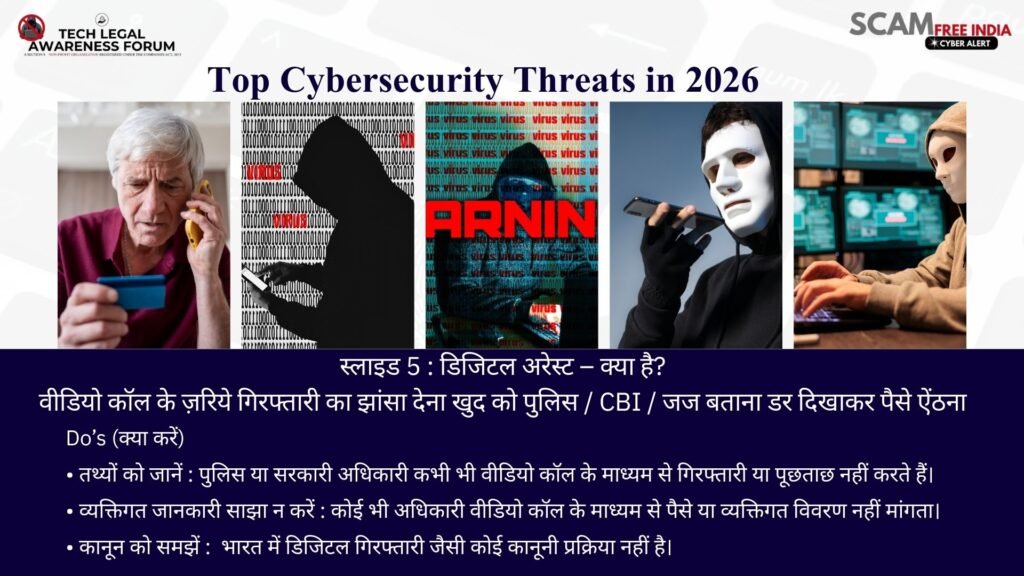
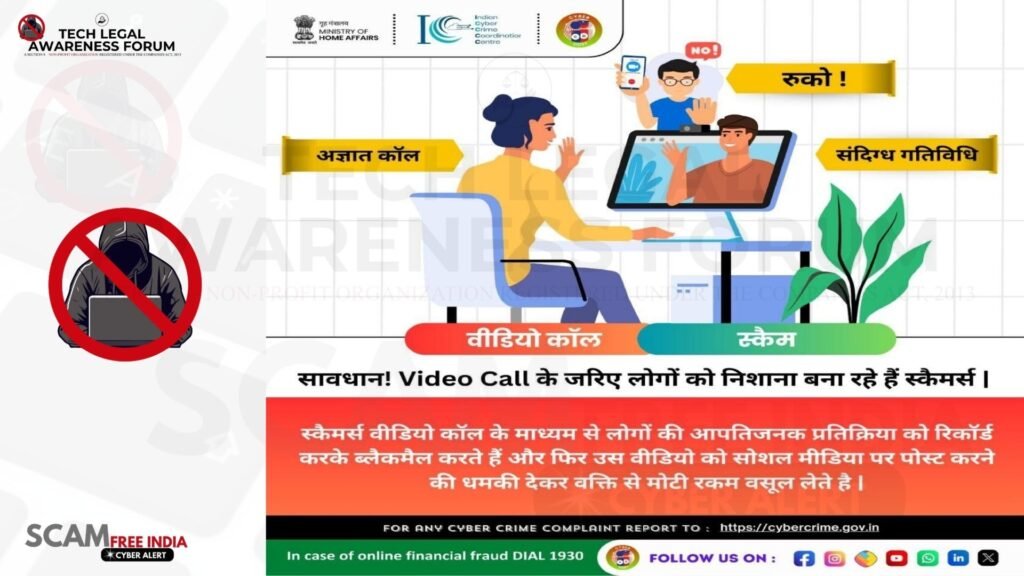
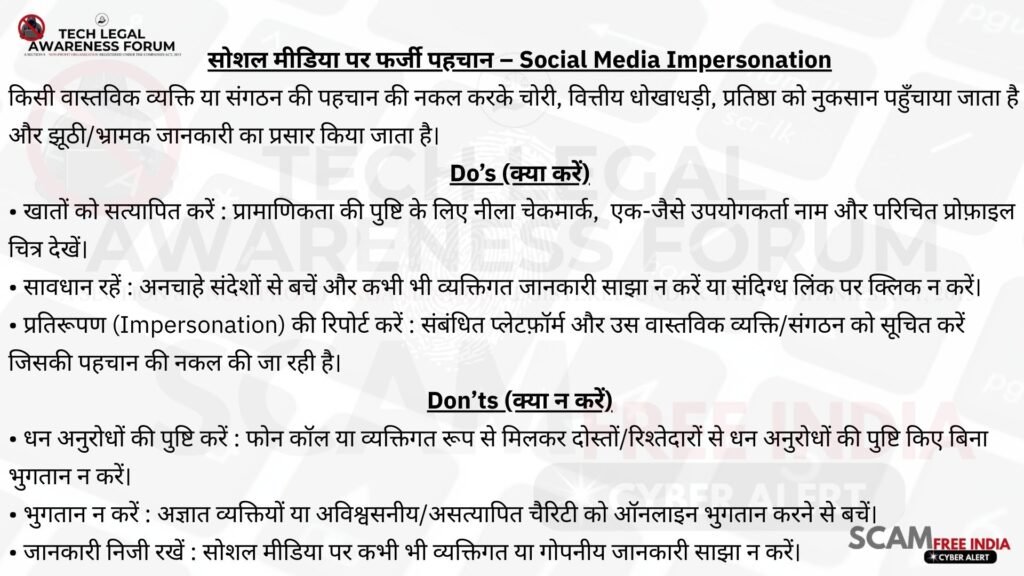
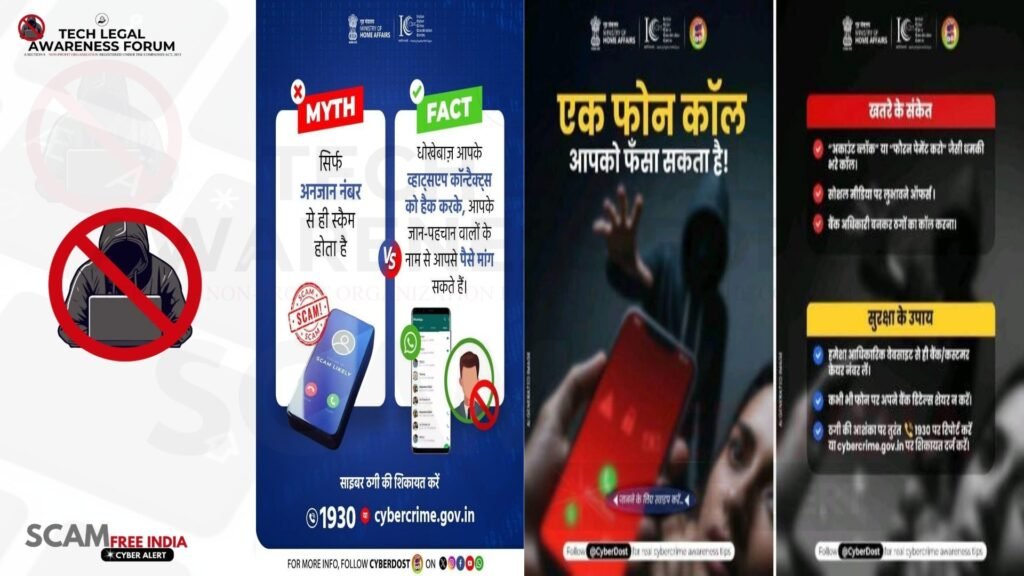
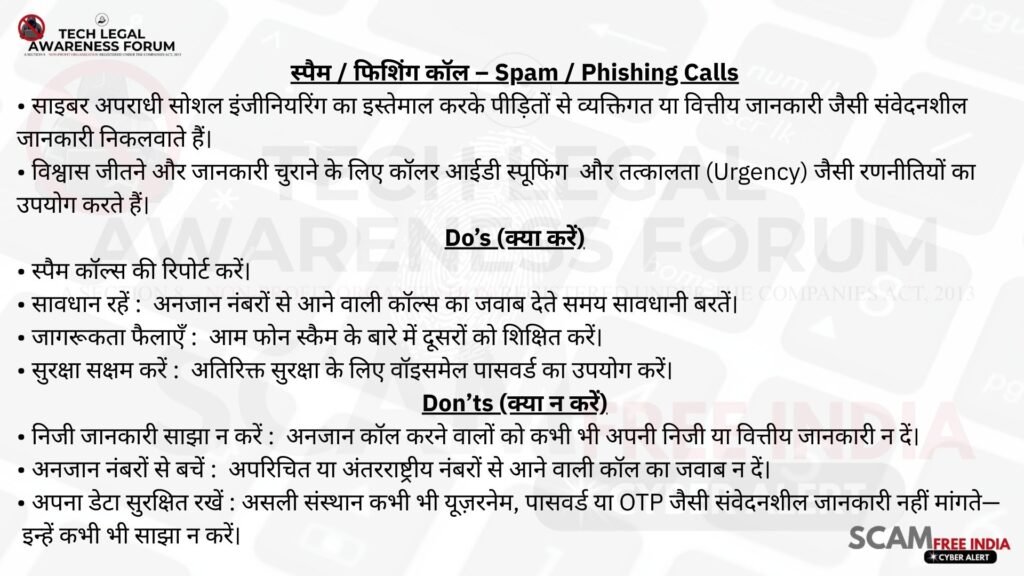
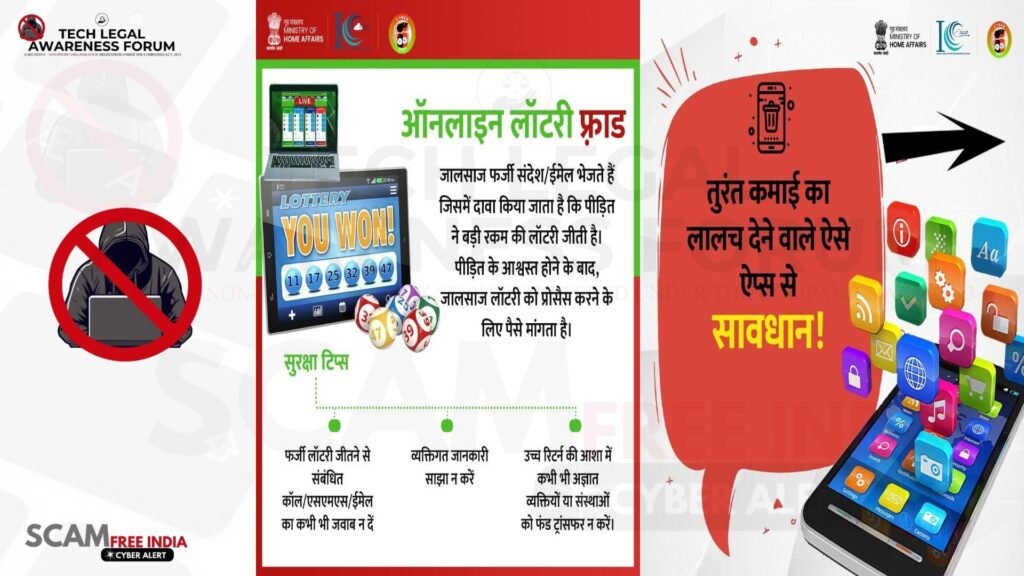
Cyber crime is evolving rapidly. Fraudsters now use psychological tactics such as social engineering, fake identities, phishing calls, misleading messages, and emotional manipulation to deceive people into sharing sensitive information or transferring money.
In most cases, cyber frauds occur not because of technical failure, but due to lack of awareness and delayed reporting. Timely action and basic digital caution can significantly reduce losses and prevent repeat incidents.
When citizens understand how cyber crimes operate and how to respond, a large percentage of frauds can be avoided.
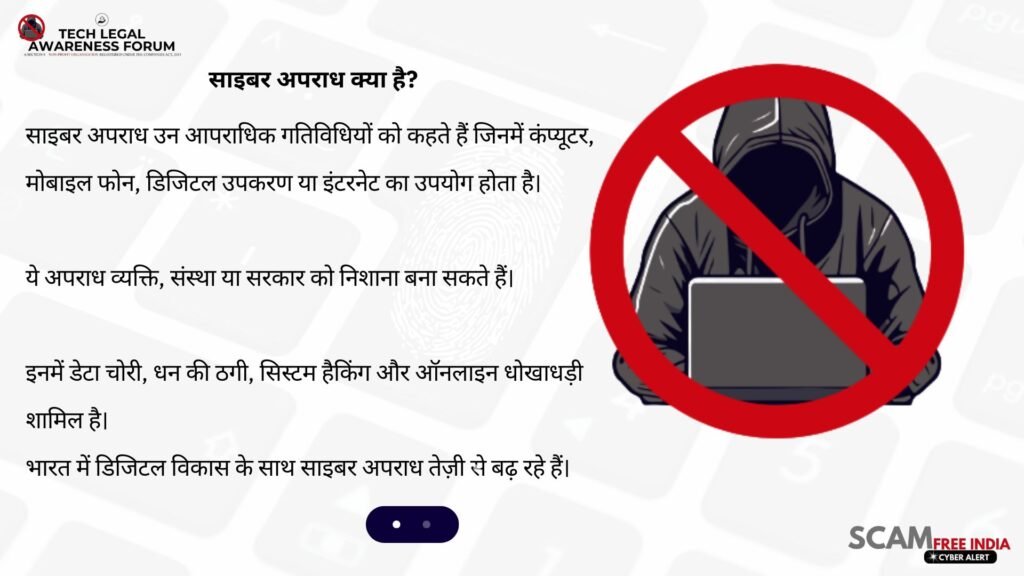
Cyber crime has emerged as one of the fastest-growing forms of crime in India, impacting individuals across age groups, professions, and regions. With the rapid adoption of digital payments, online services, and social media platforms, cyber criminals are exploiting gaps in awareness, digital literacy, and timely reporting. Fraud related to online banking, UPI transactions, fake customer support calls, phishing messages, and social media impersonation has become increasingly common.
Official crime data indicates a sharp rise in reported cyber crime cases over recent years, reflecting both the growing scale of the problem and the urgent need for preventive education. Many victims report that they were unaware of basic cyber safety practices, early warning signs, or the correct channels for reporting incidents. Delayed action often leads to greater financial loss and prolonged misuse of personal information.
To strengthen digital safety and legal awareness, we conduct structured and ethical public initiatives, including:
Awareness sessions in schools, colleges, institutions, and community spaces.
A nationwide initiative focused on preventing online fraud through education and outreach.
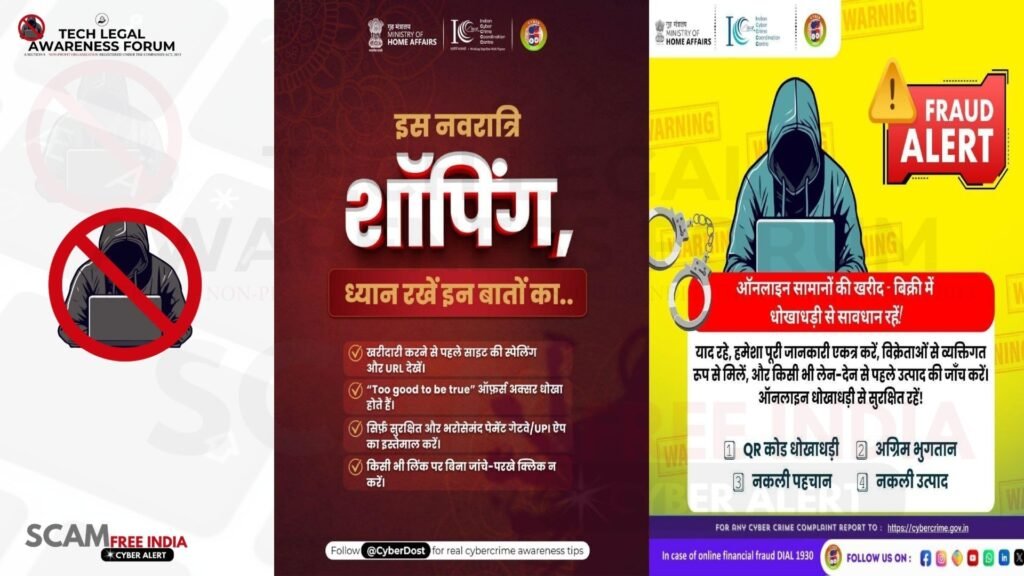
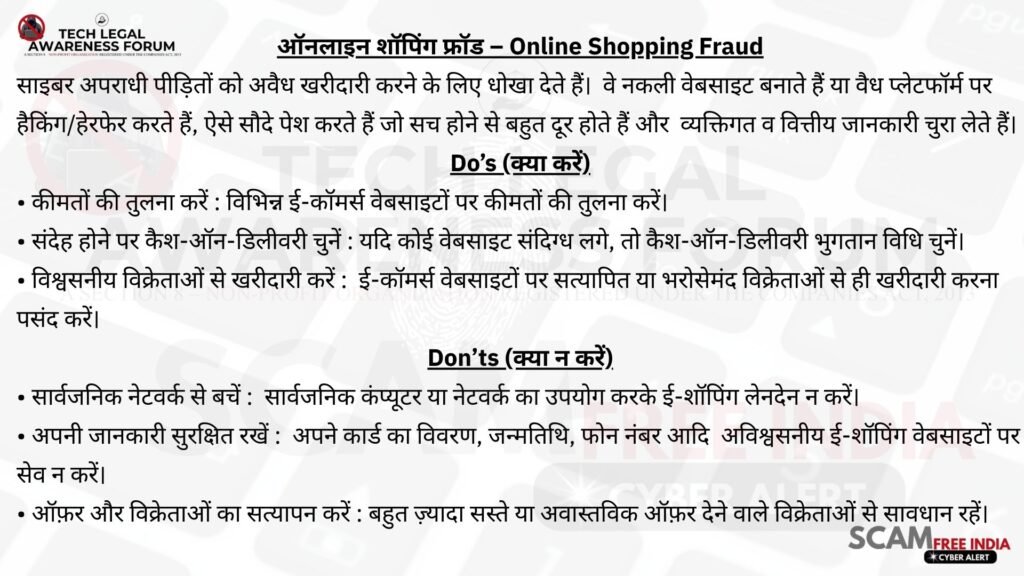
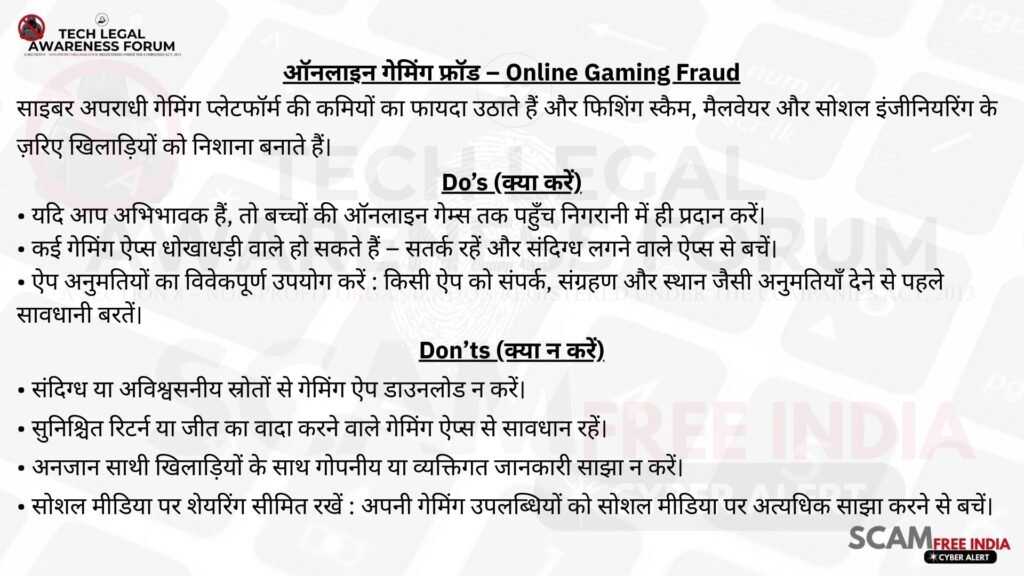
Regular dissemination of safety tips and alerts through digital platforms.
Basic legal education and guidance for individuals affected by cyber or financial fraud.
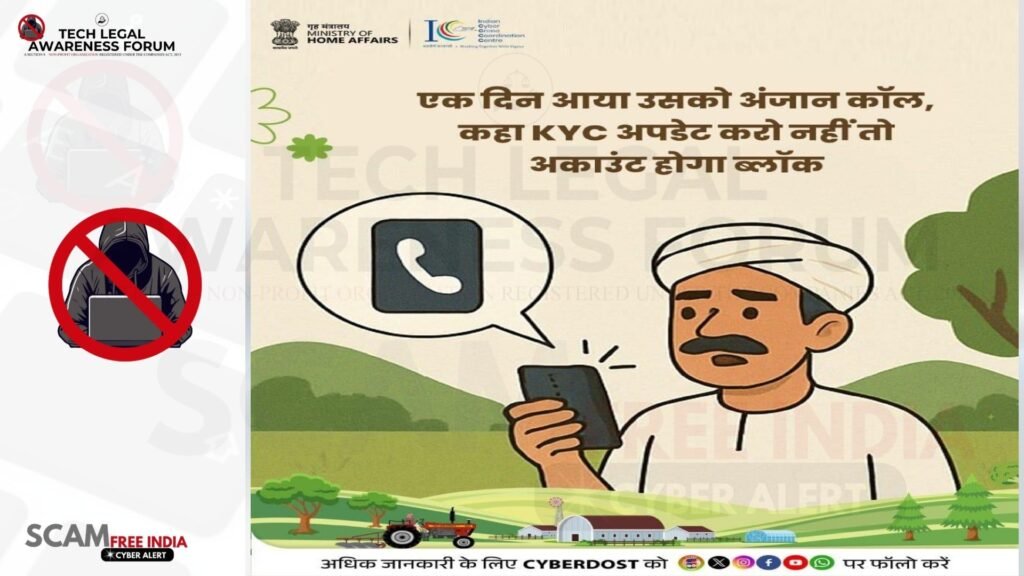
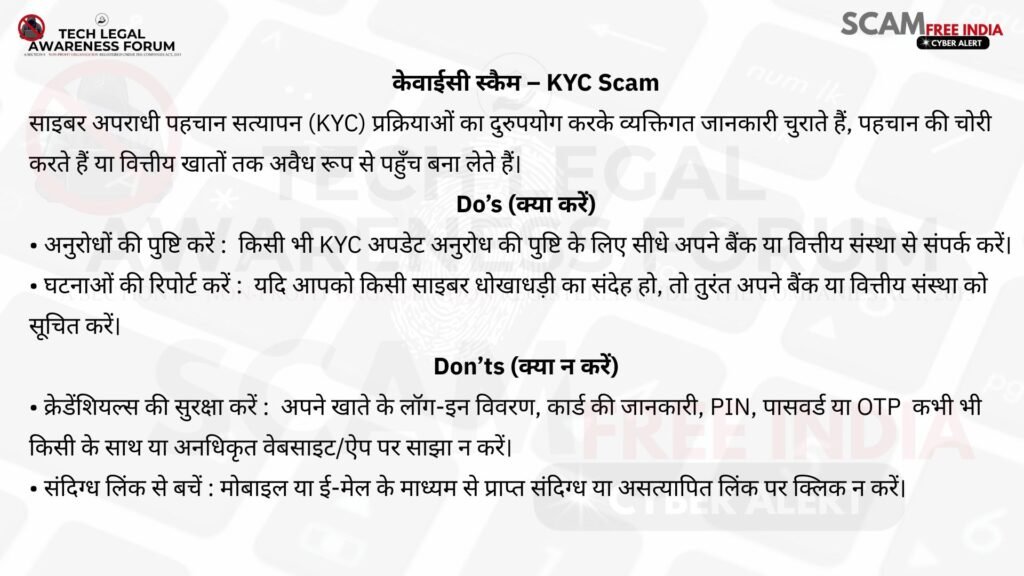
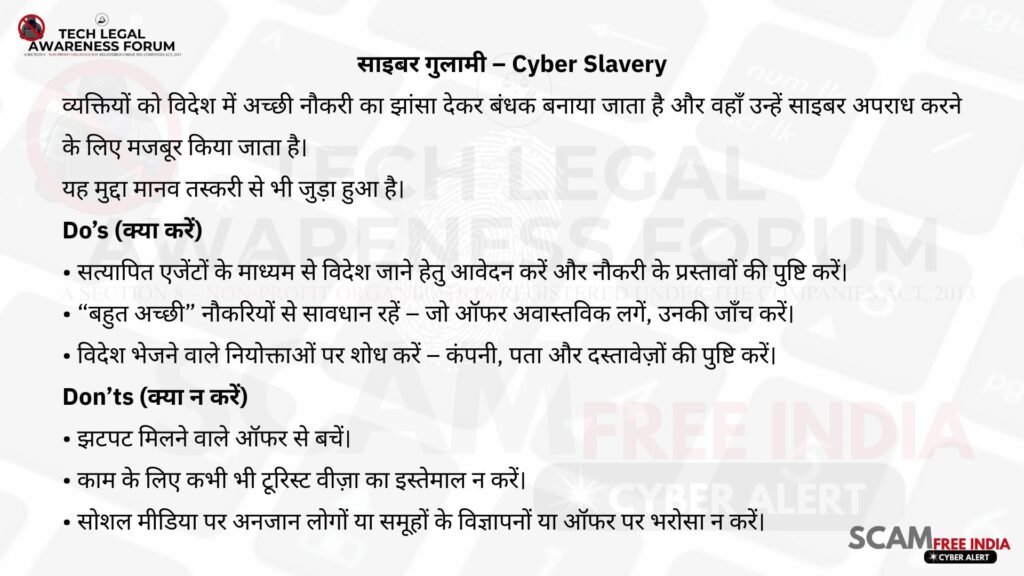
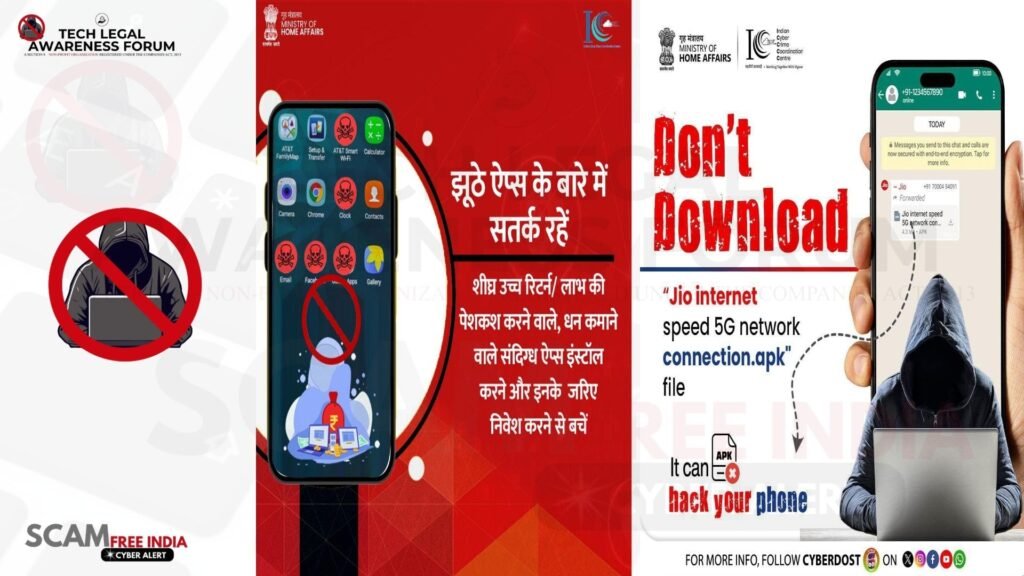
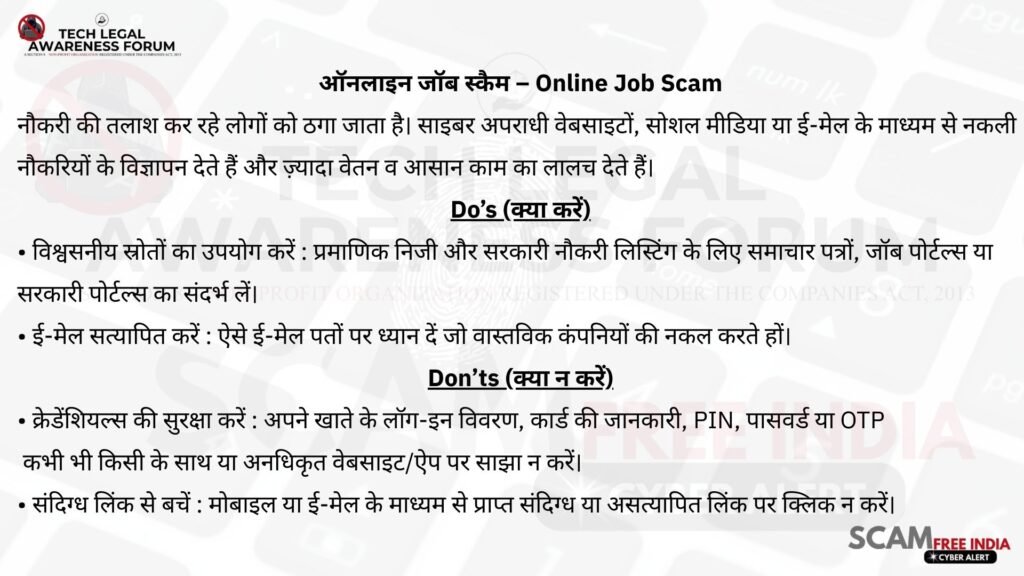
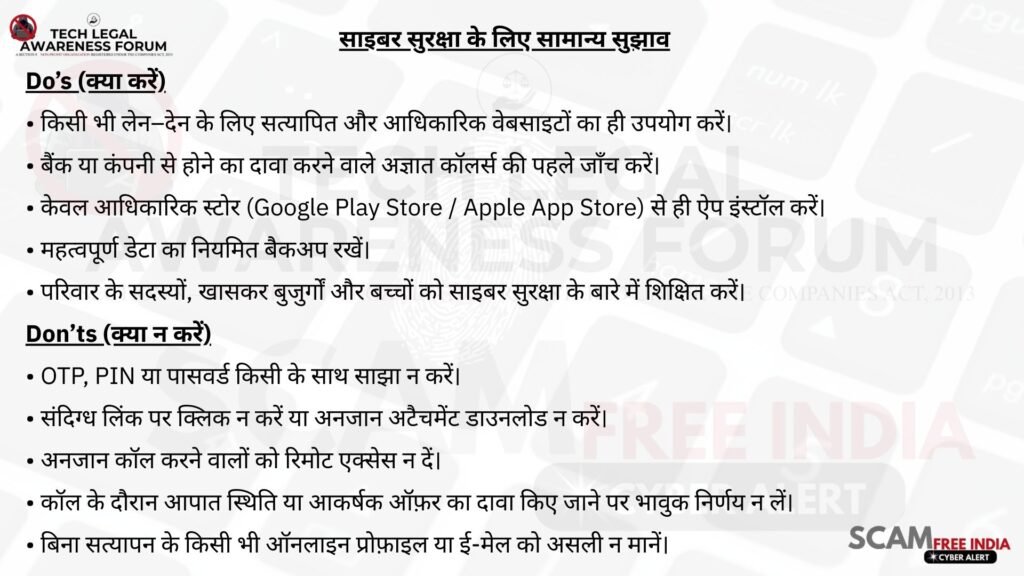
Digital safety begins with basic caution and informed behaviour in everyday online activities. Citizens should avoid trusting unknown calls, links, or messages that ask for personal or financial information, as banks and government agencies never request OTPs, PINs, or passwords. Using strong passwords and enabling two-factor authentication wherever possible adds an important layer of protection. It is also advisable to limit the sharing of personal details on social media platforms and to actively educate children and senior citizens about common online risks.
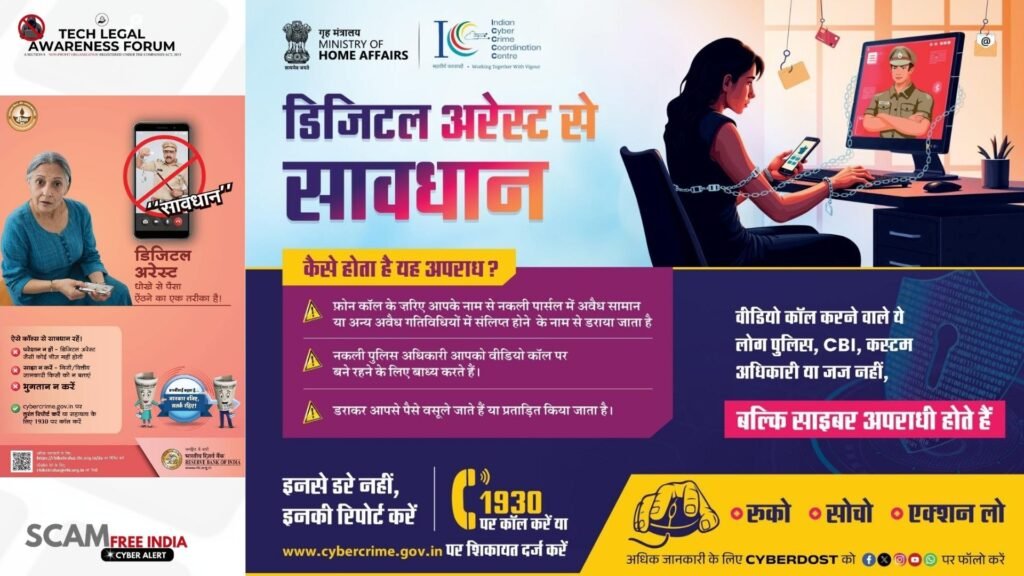
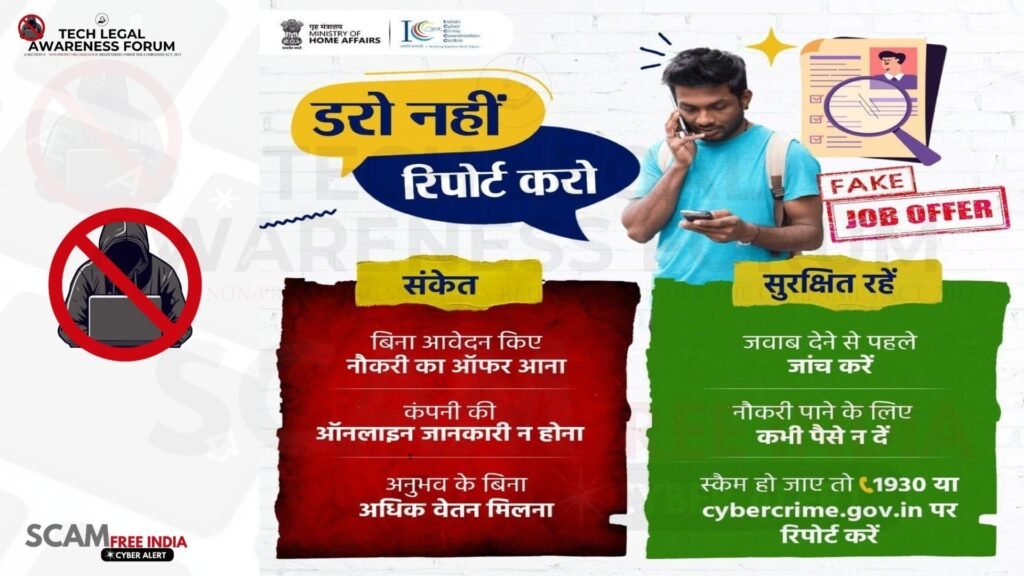
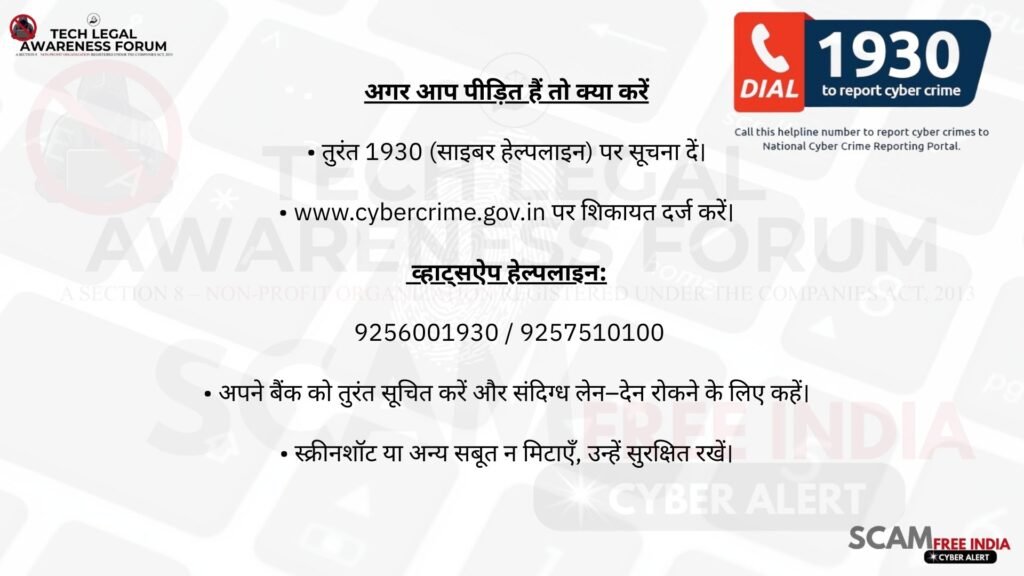
In the event of any suspected cyber fraud, timely reporting is critical to minimise damage and prevent misuse. Citizens are encouraged to immediately contact the national cyber crime helpline at 1930 or report the incident through the official cyber crime reporting portal.